

Mumbai history comes into view around Dadar through monuments and fort remains linked to the city’s routes, coast and harbour. Khada Parsi, Sewri Fort and Mahim Fort each offer a different historical thread, from a statue on a historic route to fortifications overlooking the water.
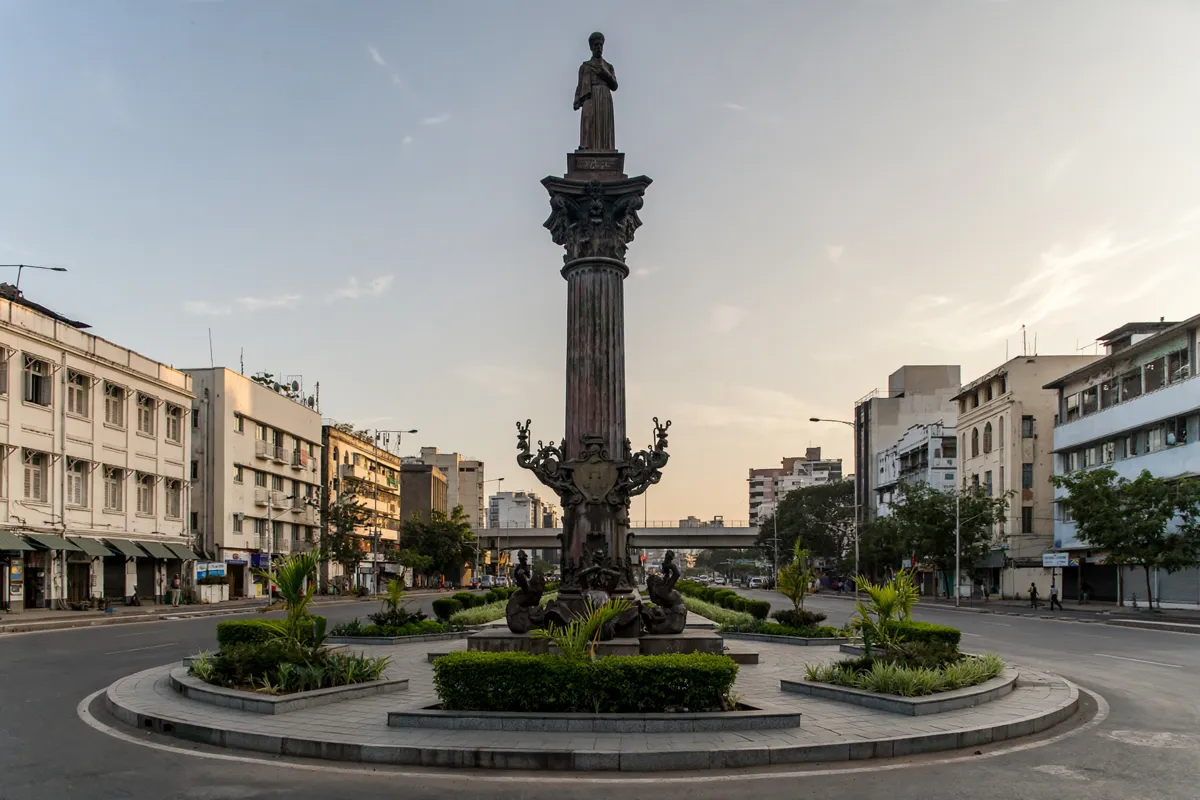
- Khada Parsi is the Curshetjee Manekjee statue, named in a Maharashtra State Gazetteer route description.
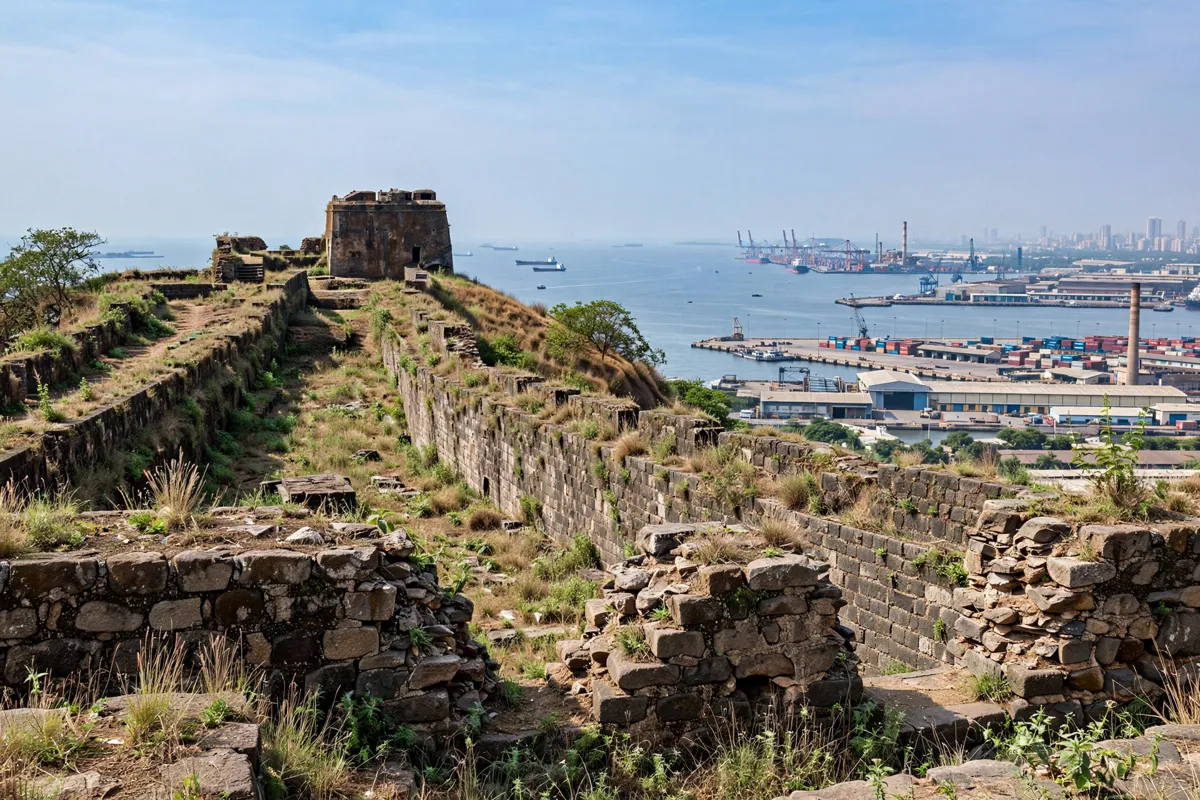
- Sewri Fort was built as a watchtower overlooking Mumbai Harbour.
- Mahim Fort stands at the mouth of Mahim Creek, near Mahim Causeway.
Reading Mumbai’s history through local sites
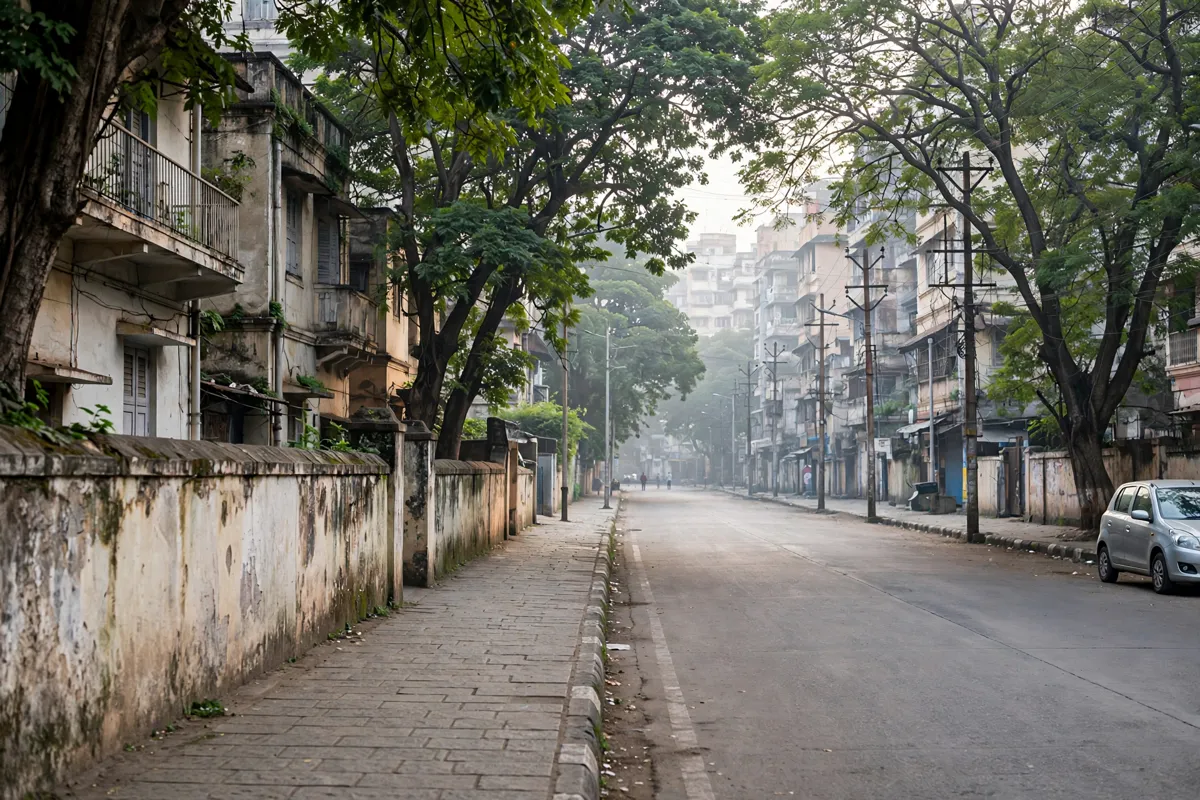
These sites connect Mumbai’s history to its roads, shoreline and defences rather than to a single period or monument. The Maharashtra State Gazetteer describes a route of about 8 km from Byculla Bridge to Mahim Causeway, with Khada Parsi and Mahim Fort among its landmarks.
The Gazetteer also identifies Mahim Bay as part of the historic Mahim area and describes old fort ruins at its northern tip, overlooking Bandra in Salsette. Taken together, the route and the coastal setting help you place the landmarks in a wider urban landscape.
Khada Parsi and Dadar-area heritage
Khada Parsi is the statue of Curshetjee Manekjee, identified by that name in the Gazetteer’s description of the Byculla Bridge–Mahim Causeway route. Its inclusion alongside Mahim Fort makes it one marker on a broader historic corridor, rather than an isolated point of interest.
For a closer look at the monument and its Dadar setting, the guide to Khada Parsi in Dadar focuses on the landmark itself.
The Mumbai Metropolitan Region Heritage Conservation Society lists studies of the Dadar Parsi Colony and Khodadad Circle precincts among its heritage-precinct studies. That wider precinct context can help you understand how individual landmarks sit within a neighbourhood’s historic fabric.
Sewri Fort and the waterfront
Sewri Fort was built by the British in 1680 as a watchtower on a quarried hill overlooking Mumbai Harbour. A Mumbai Port Authority draft planning proposal identifies the fort as a Grade I heritage structure in the Town and Country Planning Organisation’s Model Heritage Regulations listing, and says it is owned by Maharashtra State’s Directorate of Archaeology and Museums. From Hotel Happyland, Sewri Fort is about 17 minutes by car.
For more on the waterfront ruins, the Sewri Fort guide covers the landmark in more detail.
Mahim Fort and the coast
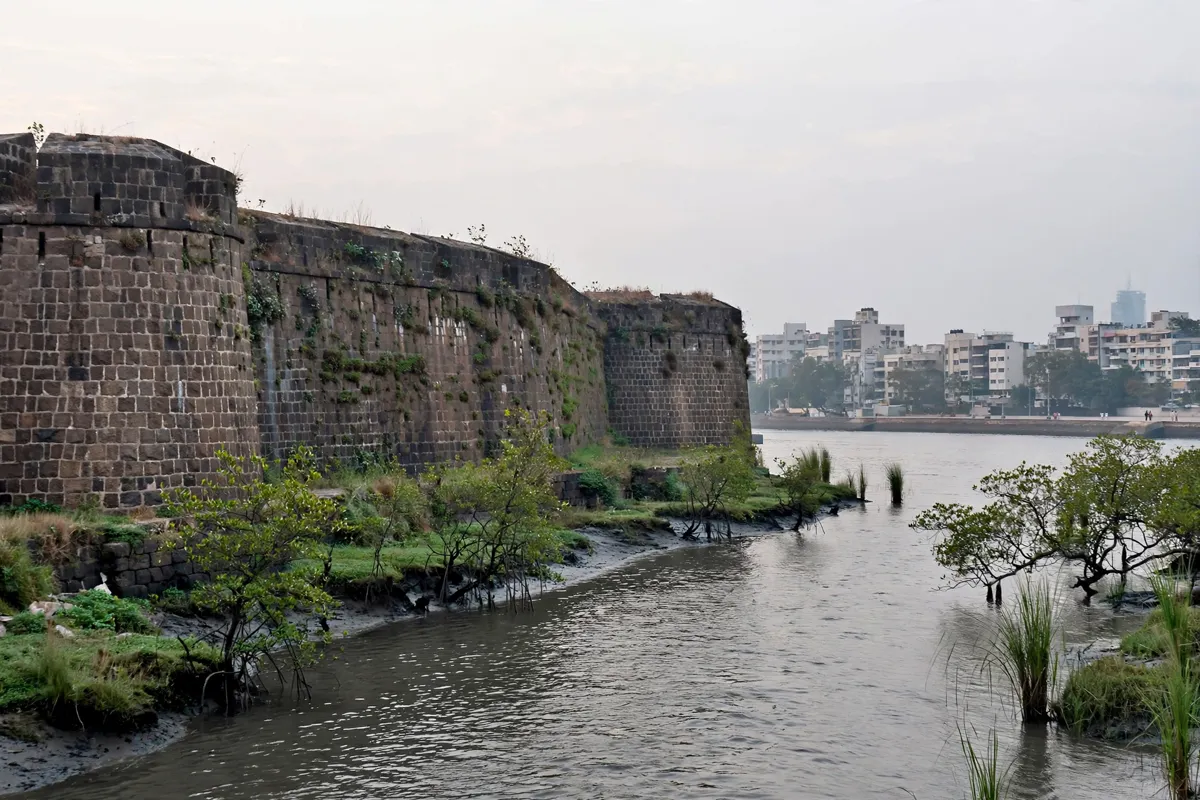
Mahim Fort’s remains are rampart walls facing Mahim Creek, at the southern end of Mahim Causeway. The Gazetteer places the fort at the mouth of the creek, where the coastal setting helps explain its strategic position.
A letter dated 15 December 1673 referred to small lines or parapets and guard-houses at Mahim and Sion. Sir Thomas Grantham strengthened the fortifications in 1684. In 1772, the Portuguese fired on Mahim Fort, and the English retaliated with shells.
The causeway itself was constructed with money provided by Lady Jamshedji. For practical context on the coastal landmark, the Mahim Fort guide focuses on planning a visit.
Planning a respectful heritage visit
Check the official site before you go for current access information. The MCGM M Ward heritage-plan PDF says its mapped locations are for reference and that the notified wardwise heritage list prevails if there is ambiguity, so use the notified list when checking a site’s heritage status. Before setting out, you can use that distinction to guide what you verify.
These landmarks have different settings: a statue along a city route, a fort overlooking the harbour and ramparts beside a creek. Keep to permitted public access and treat historic structures with care as you visit.
FAQs
What is Khada Parsi?
Khada Parsi is the name used for the Curshetjee Manekjee statue in a Maharashtra State Gazetteer route description.
When was Sewri Fort built?
A Mumbai Port Authority draft planning proposal says the British built Sewri Fort in 1680 as a watchtower overlooking Mumbai Harbour. The Sewri Fort visit guide offers practical context for planning a visit.
Where is Mahim Fort?
The fort is at the mouth of Mahim Creek, at the southern end of Mahim Causeway. Its remains are rampart walls facing the creek.
What happened at Mahim Fort in 1772?
The Maharashtra State Gazetteer says the Portuguese fired on the fort and the English retaliated with shells.